

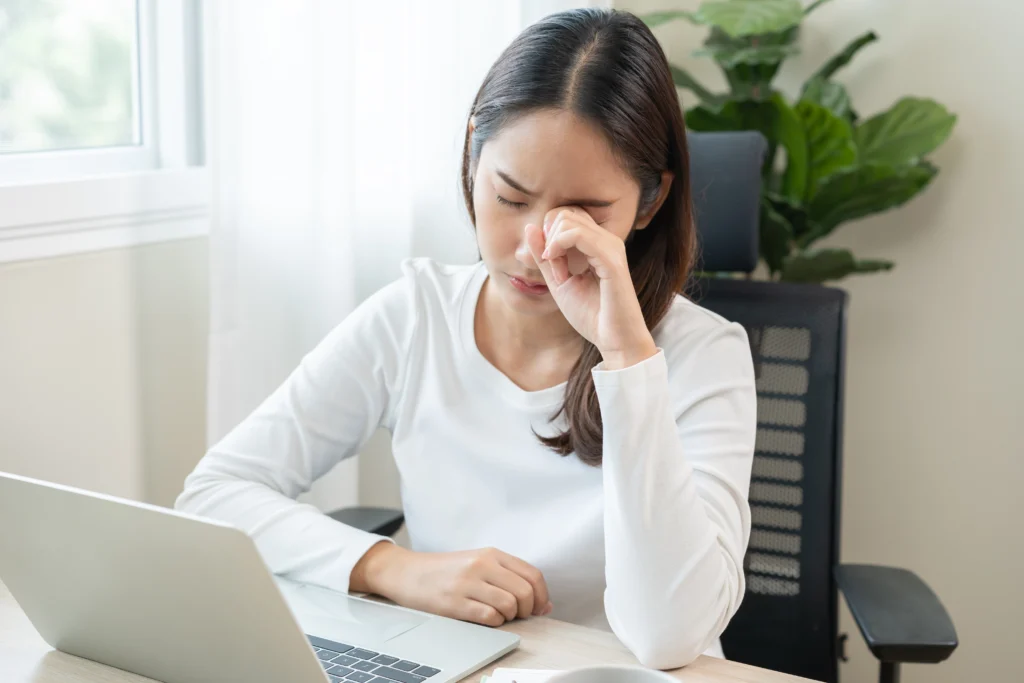
If your eyes feel scratchy, watery, or tired by mid-afternoon, it can ruin your whole day. Fortunately, dry eye responds well to changes in daily habits. You can reduce the eye strain while supporting the natural moisture system that keeps your vision comfortable.
At ProEye Vision Center, we help our patients read, drive, and work without eye irritation stealing their focus. In this blog, we’ll discuss lifestyle changes that can help dry eye symptoms feel more manageable right away.
Why dry eye can feel so frustrating
Dry eye isn’t just “not enough moisture.” Your tear film is a delicate blend of water, oils, and mucin. If any layer is off balance, your eyes may:
- Burn, sting, or feel gritty
- Water excessively (yes—watery eyes can still be dry eye)
- Feel tired or heavy
- Have on-and-off blurry read moments (e.g., your vision fades while reading and clears after blinking)
- Feel worse late in the day, after screens, or in dry indoor air
Changing your screen habits can reduce irritation
Dry eye and screens often travel together for one simple reason: we blink less when we focus. Less blinking means more evaporation and a less stable tear layer.
Try these screen-friendly tweaks:
- Take “blink breaks:” every 20 minutes, look 20 feet away for 20 seconds and add 5 slow blinks
- Position your monitor slightly below eye level (less exposed eye surface)
- Increase font size on your devices
- Adjust vents and fans so they’re not blowing directly toward your face
- Use a humidifier, especially during winter heating season
Tips for dry eye relief at home
Sometimes your eyes are doing fine until you walk into a less than ideal environment. Dry air, dust, smoke, or strong fragrances can all have negative effects on your visual comfort.
These small changes can provide some relief:
- Humidifying your bedroom at night
- Changing HVAC filters regularly
- Wearing wraparound sunglasses outside on windy days
- Taking breaks from smoky or fragranced spaces when possible
- Rinsing eyelids after outdoor chores (especially during pollen season)
Eyelid hygiene for better eye health
For a lot of people, discomfort isn’t the eyeball itself, but the eyelids. The oil glands along the lid margin play a major role in slowing tear evaporation. When those glands get blocked, dryness can ramp up fast.
Develop these helpful habits:
- Warm compresses for 5–10 minutes a few times per week (or as recommended)
- Gentle lid cleaning with a lid-safe cleanser
- Replace eye makeup regularly
- Take contact lens breaks on symptomatic days, or ask about alternative lens options
When to use eyedrops
Not all eye drops are created equal. Some are designed for allergies, some for redness, and some for lubrication. Using the wrong type can leave your eyes feeling worse later. Choose preservative-free lubricating drops and avoid “get-the-red-out” drops for regular use unless directed by your doctor.
Get back to comfortable, clear days
Dry eye can affect your focus, comfort, and even the simple pleasure of sitting down with a book. Lifestyle changes can reduce flare-ups and support a healthier tear film, but a personalized evaluation with an experienced eye doctor can pinpoint what’s driving your symptoms and match you with targeted treatment.
Ready to feel better? Schedule an appointment with our eye doctors in Omaha or Lincoln to talk through your symptoms and build a plan for lasting comfort.