

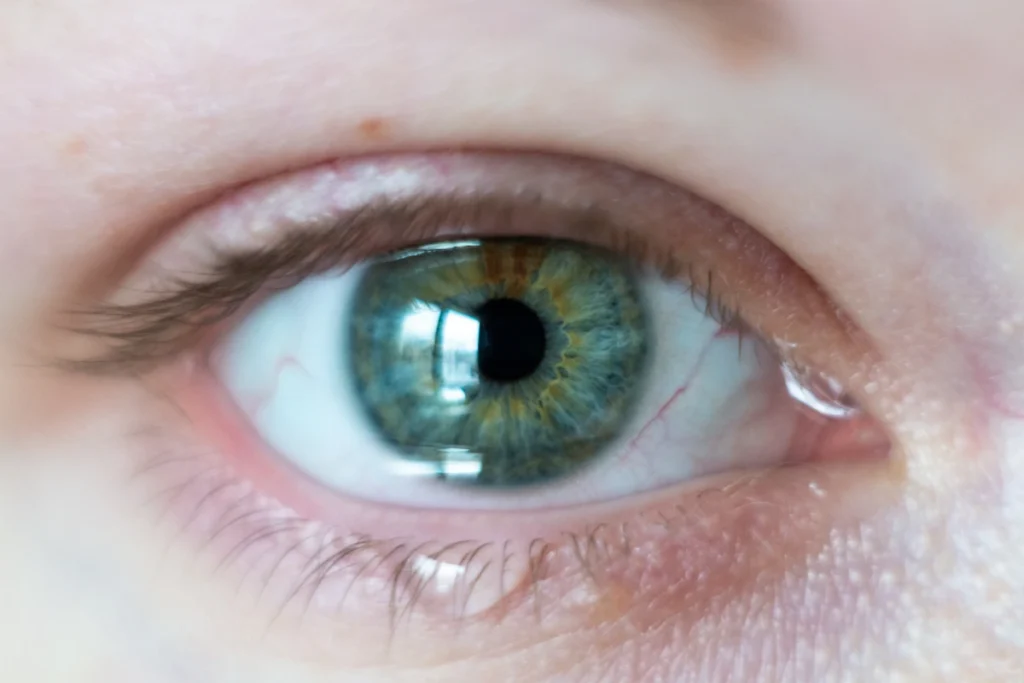
Watery eyes can feel like the opposite of dry eye, but the two often go together. When the surface of your eyes is irritated, your body may respond by making extra tears. Those tears can spill over your eyelids, even though your eyes still feel dry, gritty, or uncomfortable. A dry eye specialist serving Omaha and Lincoln can help determine why your eyes are watering and whether dry eye is the underlying cause.
How can dry eyes cause watery eyes?
Dry eyes can cause watery eyes because irritation on the eye’s surface can trigger reflex tearing. These reflex tears are your eyes’ emergency response to discomfort, but they are not always the right kind of tears for lasting relief.
A healthy tear film has three main layers: oil, water, and mucus. These layers work together to keep tears smooth, stable, and evenly spread across the eye. If one part of the tear film is missing or out of balance, your tears may evaporate too quickly or fail to coat the eye properly. Your eyes may then produce more watery tears, but those tears may drain away fast instead of solving the dryness.
That is why your eyes can water while still feeling scratchy, tired, burning, or dry.
What makes tear quality worse?
Dry eye is not always about the amount of tears you make. In many cases, the issue is tear quality. If the oily layer of the tear film is weak, tears evaporate too quickly and leave the eye exposed.
Common contributors include:
- Long periods of screen use
- Wind, smoke, fans, or dry indoor air
- Contact lens wear
- Aging or hormonal changes
- Certain medications
- Eyelid inflammation
- Meibomian gland dysfunction, which affects the oil-producing glands in the eyelids
When the tear film breaks down, the eye’s surface can become inflamed and sensitive. Some people notice watering first, while others notice burning, redness, fluctuating vision, or the feeling that something is stuck in the eye.
When are watery eyes a sign of dry eye?
Watery eyes may be related to dry eye if they happen alongside irritation, burning, blurry vision, or a sandy feeling. Many people describe the sensation as if dust, an eyelash, or grit is trapped under the eyelid. If that sounds familiar, gritty eyes can have several possible causes, including dry eye, allergies, and contact lens irritation.
Dry eye symptoms may also get worse during certain activities, such as reading, driving, working at a computer, or spending time outdoors. Because people blink less when focusing on screens, tears can evaporate more quickly and symptoms may build throughout the day.
Can an eye exam help with watery, dry eyes?
Yes. A comprehensive eye exam can help identify whether watering is related to dry eye, allergies, infection, blocked tear ducts, eyelid problems, or another eye health concern. This matters because the right treatment depends on the cause.
Dry eye care may include artificial tears, lifestyle changes, eyelid hygiene, prescription eye drops, or treatments that support healthier oil gland function. If your symptoms are frequent, one-size-fits-all drops may not be enough.
Get relief from dry, watery eyes
Watery eyes are not always a sign that your eyes are making enough healthy tears. If your eyes keep watering, burning, or feeling dry, ProEye Vision Center can evaluate your tear film and recommend treatment based on what is actually causing your symptoms. Schedule an appointment to get relief and protect your long-term eye comfort.
References: