
Most of us expect our vision to change a little over time. Maybe you need brighter light to read a menu, or night driving feels more tiring than it used to. But sometimes those “normal” shifts are early clues that your eye’s natural lens is getting cloudy.
Cataracts often develop gradually, which is why people sometimes adjust without realizing how much their sight has changed. If you’re noticing new frustration with everyday visual tasks, it’s worth paying attention.
A comprehensive eye exam can help confirm what’s really going on, explain your options, and give you a plan that fits your life. In this blog, we’ll walk through symptoms to watch for if you’re concerned about cataracts.
Why cataracts can feel sneaky at first
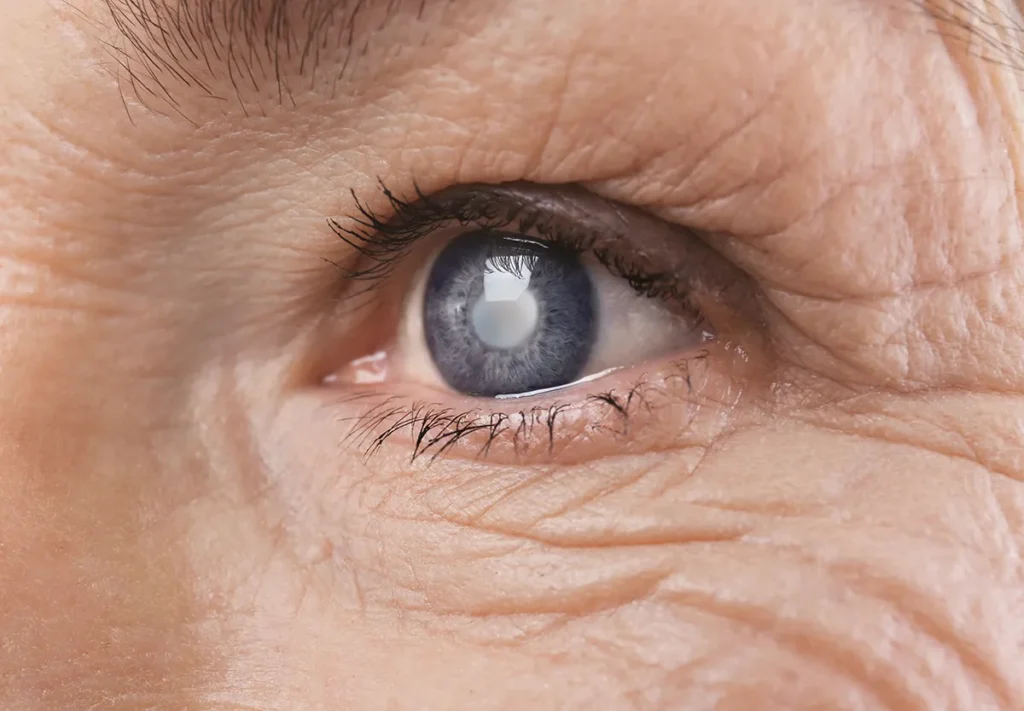
A cataract happens when the clear lens inside your eye becomes cloudy. Early on, that cloudiness might only affect certain situations (like nighttime glare or reading small print), so you may blame it on fatigue, aging, or “needing a stronger prescription.”
What’s tricky is that cataract symptoms can overlap with other vision issues. Your eye doctor will be able to determine whether it’s cataracts, dry eye, a prescription shift, or something else entirely.
Common early signs you might notice
People describe early cataract symptoms in relatable ways. Some say “my glasses aren’t helping the way they used to” or “headlights feel harsh.” Here are some of the most common things to watch for:
- Blurry or hazy vision, as if you’re looking through a smudged window
- Increased glare, especially from headlights, bright sun, or overhead lights
- Halos around lights at night
- Colors looking less vibrant (whites may seem more yellow or dull)
- More trouble seeing at night, even in familiar areas
- Frequent prescription changes or feeling like your lenses never feel quite right
- Double vision in one eye (not the same as binocular double vision)
Sometimes it’s easier to spot symptoms by thinking about daily life instead of medical terms. Consider scheduling an evaluation if you’ve noticed things like:
- You need much brighter light to read than you used to
- You feel eye strain or fatigue sooner when using a computer
- You’re more bothered by sun glare while walking, biking, or driving
- You find yourself tilting your head or squinting more often
- You’ve started avoiding certain activities (night driving, movies, sports) because the visuals feel “off”
Even if these changes seem minor, they can affect safety and confidence—especially behind the wheel.
What an eye exam can tell you (and why it’s worth it)
A thorough exam does more than confirm whether cataracts are present. It helps you understand:
- How far along the cataract is
- Whether another issue is contributing (like dry eye or an updated prescription)
- What changes might help right now (lens updates, lighting tips, glare-reducing options)
- When it’s time to discuss cataract surgery and what that timeline could look like
Many people feel relieved after they understand the “why” behind their symptoms. Clear information makes decisions feel much less overwhelming.
Clearer next steps for your everyday life
If you’re noticing glare, hazy vision, or frequent prescription changes, schedule an appointment with an eye doctor at ProEye Vision Center in Omaha or Lincoln. We’ll talk through what you’re experiencing, check your eye health, and help you choose the next step that supports your comfort, safety, and lifestyle.