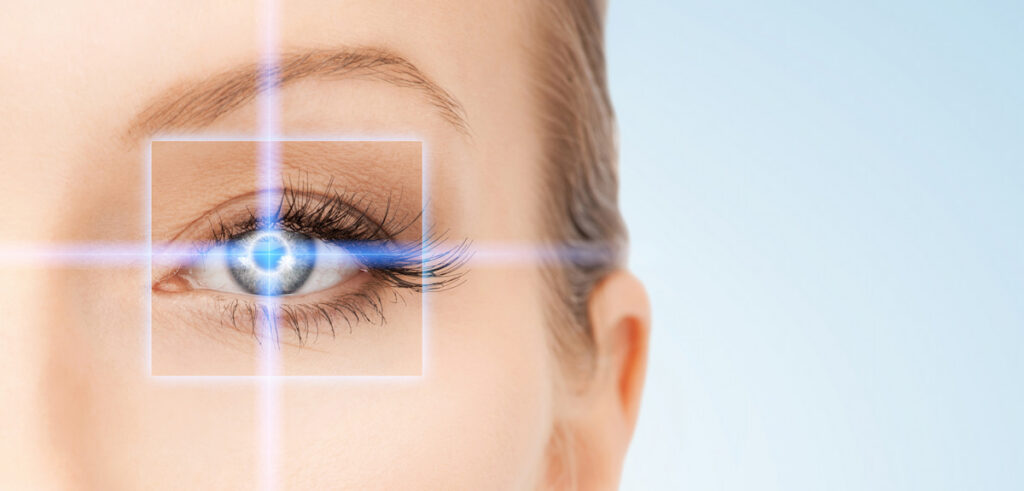
A LASIK consultation is the first step toward determining whether laser vision correction fits your eyes, prescription, and goals. It is more than a quick screening or glasses prescription update. Your eye doctor examines the health and shape of your eyes, discusses your vision needs, and helps you make an informed decision.
A LASIK consultation can clarify whether surgery may be a good option and what your next steps could look like.
Your vision and health history
The visit begins with a conversation about your current vision, glasses or contact lens prescription, and reasons for considering LASIK. Your eye doctor will want to understand how vision correction affects everyday activities, such as:
- Driving, especially at night
- Working at a computer
- Playing sports or spending time outdoors
- Traveling or managing an active schedule
- Wearing glasses or contacts throughout the day
Your medical and eye health history are also important. Certain medications, health conditions, eye injuries, and eye diseases can affect whether LASIK is recommended.
Detailed eye measurements
LASIK reshapes the cornea, the clear front surface of the eye. Since every cornea is different, precise measurements are essential before a recommendation is made.
Your evaluation may include:
- Testing your current prescription
- Examining eye-surface and overall eye health
- Measuring corneal thickness and curvature
- Assessing pupil size
- Evaluating tear-film quality and dry eye symptoms
These measurements help determine whether there is enough healthy corneal tissue for LASIK and whether the cornea has a shape that could affect safety or results. Dry eye deserves special attention because LASIK can temporarily worsen dryness during recovery. Addressing dry eye first may improve comfort and support healing.
Why contact lens wear matters
Contact lenses can temporarily change the cornea’s shape. You may need to stop wearing your lenses before the consultation or before certain measurements are taken. The recommended break depends on the type of lenses you wear.
To prepare, plan to:
- Bring your current glasses
- Share your contact lens prescription
- Follow instructions about pausing lens wear
- Bring questions about the procedure, recovery, and expected results
This helps your eye doctor collect accurate information and offer guidance specific to your eyes.
LASIK is not right for every eye
A valuable consultation should provide a clear answer, even if it is not LASIK. Factors that may affect candidacy include:
- A prescription that is still changing
- Significant dry eye symptoms
- Thin or irregular corneas
- Cataracts or certain retinal conditions
- Eye health concerns that should be treated first
In some cases, treating dry eye or another issue may allow you to revisit LASIK later. In others, a different refractive procedure, glasses, or contact lenses may be more appropriate. The goal is not simply to qualify for surgery; it is to choose an option that supports your long-term eye health and vision.
What happens next?
If LASIK is appropriate, your eye doctor can refer you to a trusted surgeon and coordinate care before and after surgery. Follow-up visits help monitor healing, check vision, and address questions during recovery.
Schedule a consultation to learn whether laser vision correction may fit your eyes and lifestyle.